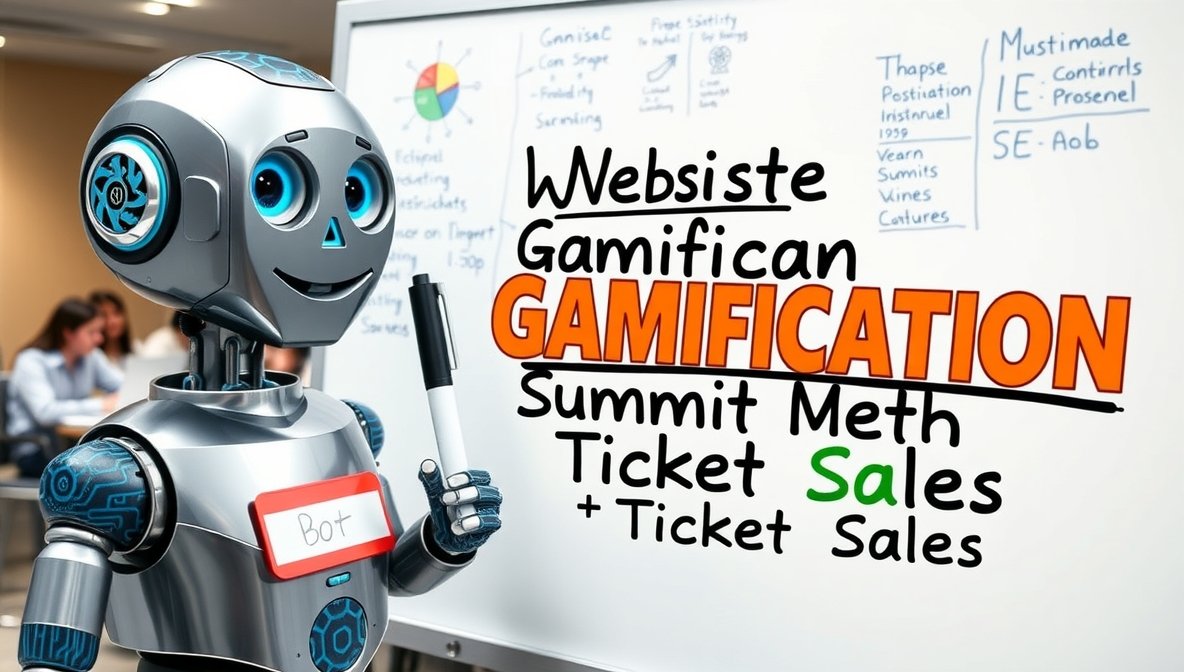
The event industry has evolved significantly over the past decade, with technology becoming the driving force behind how organizers reach audiences. Today, strategies like website gamificationsummit method ticket sales have emerged to help organizers engage users, boost participation, and ultimately increase revenue. Rather than simply focusing on selling a pass, businesses now understand that attendees crave immersive experiences, even from the moment they first land on an event’s website.
Events of all sizes—whether conferences, concerts, sports games, or festivals—rely on digital platforms to reach audiences quickly. With modern buyers expecting more interactive journeys, traditional models of plain ticketing pages are no longer sufficient. Organizers who can blend gaming dynamics, digital interaction, and audience psychology gain an edge over competitors still relying on outdated systems.
Why Modern Audiences Expect More
Today’s attendees are accustomed to interactive apps, gamified learning, and social engagement. Static sign-up forms and plain ticket sales pages don’t capture their attention. That’s why website gamificationsummit method ticket sales approaches focus on turning the ticket-purchasing process into a dynamic and exciting experience. Instead of just clicking “buy now,” customers encounter levels, challenges, or reward-based incentives that keep them motivated and connected.
Psychological studies show that when buyers are rewarded with points, badges, or exclusive content, they’re more likely to stay engaged. More importantly, they share their experiences with others. This social sharing directly contributes to higher visibility for events and a measurable increase in attendance.
From Transaction to Experience
Traditionally, ticketing has been about transactions—one user pays, receives a confirmation, and that’s the end. But the website gamificationsummit method ticket sales concept shifts this from transaction into experience. For example, imagine a user buying a ticket and unlocking access to a “backstage quiz” or earning points toward event-day perks. That small change transforms a cold purchase into a memorable pre-event interaction.
By gamifying the journey, organizers extend the life cycle of audience involvement. It no longer starts at the event itself; rather, it begins the moment a potential attendee visits the site. The anticipation builds as they interact, unlock, and share, creating a sense of belonging long before the event day.
Leveraging Technology for Deeper Engagement
Modern ticketing platforms have incorporated features like personalized dashboards, leaderboards, and referral incentives. The integration of website gamificationsummit method ticket sales allows for each of these to become part of the customer’s pathway. For instance, attendees can earn points for inviting friends, completing small challenges, or even posting on social media about the event.
This approach doesn’t only drive direct sales; it also builds a community around the event. People no longer feel they are simply “customers”—they become participants in a shared journey. And in today’s competitive event market, building this type of loyalty is crucial for long-term success.
The Psychology Behind Gamification
The strength of gamification lies in human psychology. People are naturally driven by competition, achievement, and reward. The website gamificationsummit method ticket sales model leverages these instincts, guiding potential buyers through fun pathways where their efforts are acknowledged. For example, reaching a “level” might unlock discounts, or completing a quiz could grant access to exclusive content.
These incentives encourage micro-engagements, keeping audiences tied to the event’s brand for longer periods. More importantly, it fuels positive emotions during the purchase journey, ensuring that the buying process itself becomes part of the entertainment.
Examples in Action
Some of the world’s largest conferences and entertainment events have adopted gamification strategies. Organizers have seen significant boosts in both early-bird and last-minute ticket sales by implementing features like countdown challenges, referral competitions, or loyalty badges. In such cases, the website gamificationsummit method ticket sales design has helped convert casual visitors into paying customers by sparking excitement.
For example, an international music festival once created a leaderboard for fans who referred friends. Those who topped the list won backstage passes, while others earned discounts or free merchandise. This turned the ticketing page into a competitive arena where everyone felt involved. The results were clear: faster sellouts and higher attendee satisfaction. xendit work gamificationsummit
Social Sharing as a Sales Multiplier
One of the most powerful aspects of gamified systems is their built-in virality. With website gamificationsummit method ticket sales, attendees are encouraged to share their progress, badges, or rewards with their social circles. Every post or share becomes free advertising for the event, reaching networks that traditional ads may never touch.
This kind of organic marketing isn’t just cost-effective; it builds trust. People are more likely to attend an event if their friends are already talking about it or actively participating in the gamified challenges. This domino effect transforms one sale into several, creating exponential growth without large advertising costs.
Data Collection and Insights
Gamified ticketing systems don’t just improve sales—they also provide invaluable data. Each interaction on a website gamificationsummit method ticket sales platform generates insights into buyer behavior. Organizers can see which challenges drive the most engagement, which rewards are most appealing, and how users interact before making a purchase.
These insights allow event planners to refine future strategies. For example, if referral-based points generate high conversions, organizers can amplify that strategy for upcoming events. Likewise, low-performing tasks can be adjusted or replaced. Over time, this creates an optimized cycle that maximizes both engagement and sales.
Building Long-Term Loyalty
One major advantage of this approach is its long-term effect on customer loyalty. The website gamificationsummit method ticket sales design ensures that attendees don’t feel abandoned after purchase. Instead, they remain connected through ongoing challenges, updates, and interactive features leading up to the event.
After the event ends, organizers can continue engagement by rewarding feedback, offering post-event quizzes, or inviting users to future challenges. This fosters a sense of community that goes beyond a single event, turning one-time attendees into loyal brand advocates who eagerly await the next announcement.
Challenges and Considerations
While gamification brings many benefits, it’s important to avoid overcomplication. A poorly designed website gamificationsummit method ticket sales experience could overwhelm users instead of engaging them. Balance is key: challenges should feel rewarding without being frustrating, and incentives must align with what the audience values.
Additionally, inclusivity should remain at the forefront. Not all attendees enjoy competitive games, so offering a mix of cooperative and individual challenges ensures that everyone finds something enjoyable. Accessibility across devices is also critical—whether on mobile or desktop, the gamified journey must remain seamless.
Looking Ahead: The Future of Ticketing
The future of ticketing will likely involve deeper integration with artificial intelligence, virtual reality, and personalized experiences. Within this future, the website gamificationsummit method ticket sales approach will continue to play a central role. AI can tailor challenges to individual users, VR can create immersive previews, and gamification can maintain excitement throughout.
As audiences demand more interactive and meaningful engagement, event organizers who fail to adapt risk falling behind. The combination of technology, psychology, and creativity will shape the new era of event ticketing, where buying a ticket feels as thrilling as the event itself.
Conclusion
In the modern event industry, the difference between success and mediocrity often lies in how organizers connect with their audience. The website gamificationsummit method ticket sales model represents a shift from transactional ticketing to experiential engagement. By tapping into human psychology, fostering social sharing, and delivering interactive journeys, event organizers create more than just sales—they build loyal communities.
The future belongs to events that understand attendees want more than access; they want to feel part of the story. Gamified ticketing delivers exactly that, ensuring not only full seats but also memorable experiences that extend far beyond the venue.