ADHD Is More Than Hyperactive Behavior
When many people think about ADHD, they imagine children who are constantly moving, talking loudly, or struggling to sit still. While hyperactivity is one form of ADHD, many children experience attention challenges that are less obvious but equally important.
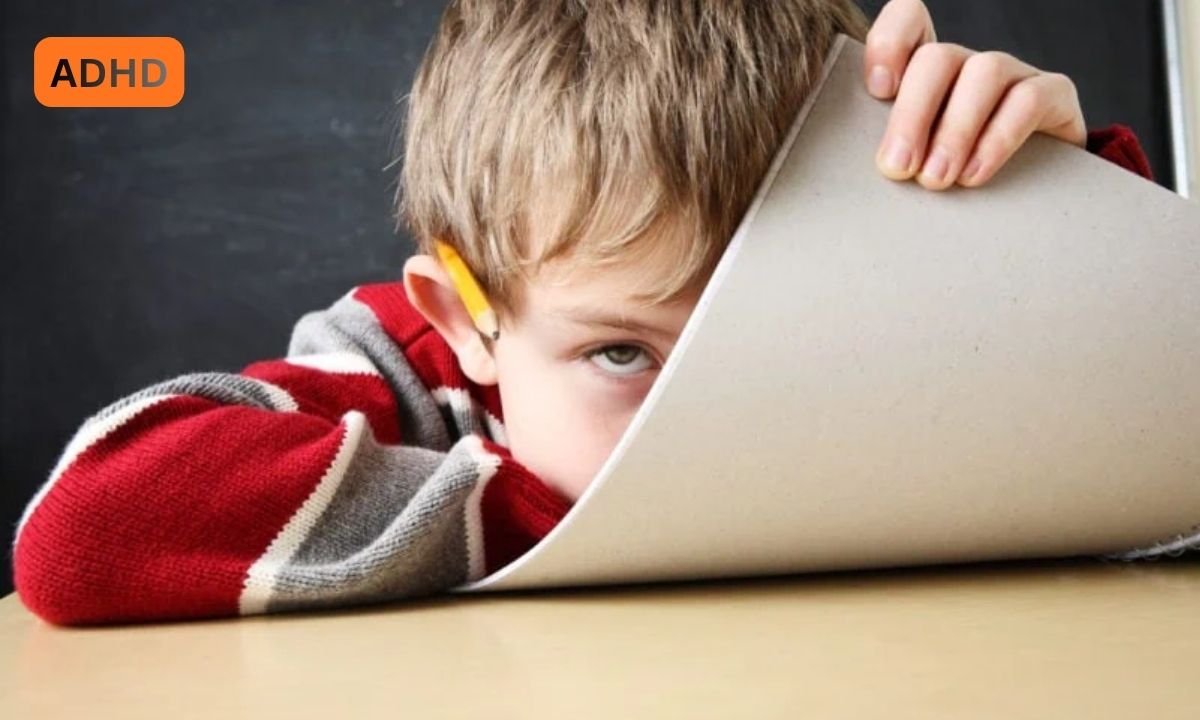
Some ADHD children may appear quiet, distracted, forgetful, or mentally absent rather than physically hyperactive. Because these signs are more subtle, they are often misunderstood or overlooked by parents and teachers.
Understanding attention-related difficulties beyond hyperactivity helps families recognize ADHD earlier and provide proper support.
What Are Attention Challenges in ADHD?
Attention challenges involve difficulty maintaining focus, processing information, staying organized, and completing tasks consistently.
Children with ADHD may struggle to:
- Stay focused during lessons
- Follow multi-step instructions
- Complete homework independently
- Pay attention to details
- Manage time effectively
- Stay mentally engaged during conversations
These difficulties are linked to differences in brain functioning rather than laziness or lack of intelligence.
Inattentive ADHD Symptoms Often Go Unnoticed
Some children have predominantly inattentive ADHD, which does not involve extreme hyperactivity.
Common inattentive symptoms include:
- Frequent daydreaming
- Forgetfulness
- Losing personal items
- Difficulty listening carefully
- Careless mistakes in schoolwork
- Trouble completing assignments
Because these children are often quiet and less disruptive, adults may not recognize the underlying attention difficulties immediately.
Why Attention Problems Affect Learning
Attention challenges can strongly impact academic performance. Even intelligent children may struggle because they cannot maintain focus long enough to process information effectively.
Parents and teachers may notice:
- Incomplete schoolwork
- Difficulty understanding instructions
- Poor organization
- Fluctuating academic performance
- Slow task completion
Children may also become frustrated because they know they are capable but cannot consistently demonstrate their abilities.
Emotional Effects of Attention Difficulties
Children with ADHD often become discouraged when attention challenges affect school and daily activities.
Repeated criticism may lead to:
- Low self-esteem
- Anxiety
- Frustration
- Emotional withdrawal
- Fear of failure
Many children begin believing they are “bad students” even when they are highly creative and intelligent.
Emotional support is essential for helping children maintain confidence while managing ADHD symptoms.
Attention Challenges at Home
Attention difficulties also affect daily life outside school.
Parents may notice children:
- Forget chores easily
- Become distracted during conversations
- Struggle to follow routines
- Leave tasks unfinished
- Lose important belongings frequently
These behaviors can create stress within families if ADHD symptoms are misunderstood as laziness or intentional disobedience.
Helping Children Improve Focus
Children with ADHD benefit from structured support rather than punishment for attention-related struggles.
Helpful strategies include:
- Breaking tasks into smaller steps
- Using visual reminders
- Maintaining consistent routines
- Reducing distractions
- Allowing movement breaks
- Giving clear and simple instructions
These approaches help children stay engaged without becoming overwhelmed.
Supporting Attention Skills in School
Teachers can also provide important support for ADHD children by creating more manageable learning environments.
Helpful classroom strategies include:
- Seating children away from distractions
- Providing shorter instructions
- Allowing extra time for assignments
- Using visual teaching methods
- Offering frequent encouragement
Positive learning environments reduce frustration and improve participation.
Recognizing Strengths Alongside Challenges
Children with ADHD often possess valuable strengths such as creativity, curiosity, energy, and problem-solving abilities.
Attention challenges should never define a child’s potential.
When adults recognize both strengths and struggles, children develop healthier self-esteem and greater motivation to learn.
Supportive environments help children feel understood rather than constantly criticized.
Professional ADHD Support and Guidance
Some children benefit from professional ADHD evaluations and developmental support services. Early assessment helps families understand a child’s specific challenges and identify effective management strategies.
Families seeking professional ADHD care can explore services from Seed Medical Hong Kong for developmental assessments and child behavioral support.
Early intervention can improve emotional health, learning outcomes, and long-term confidence.
Helping Children Thrive Beyond ADHD Challenges
ADHD is not simply about hyperactivity. Many children quietly struggle with attention difficulties that affect school, relationships, and self-esteem.
Understanding these less visible symptoms allows parents and teachers to respond with patience and support rather than frustration.
With structured guidance, emotional encouragement, and proper care, children with ADHD can develop strong skills, confidence, and long-term success in both academic and personal life.