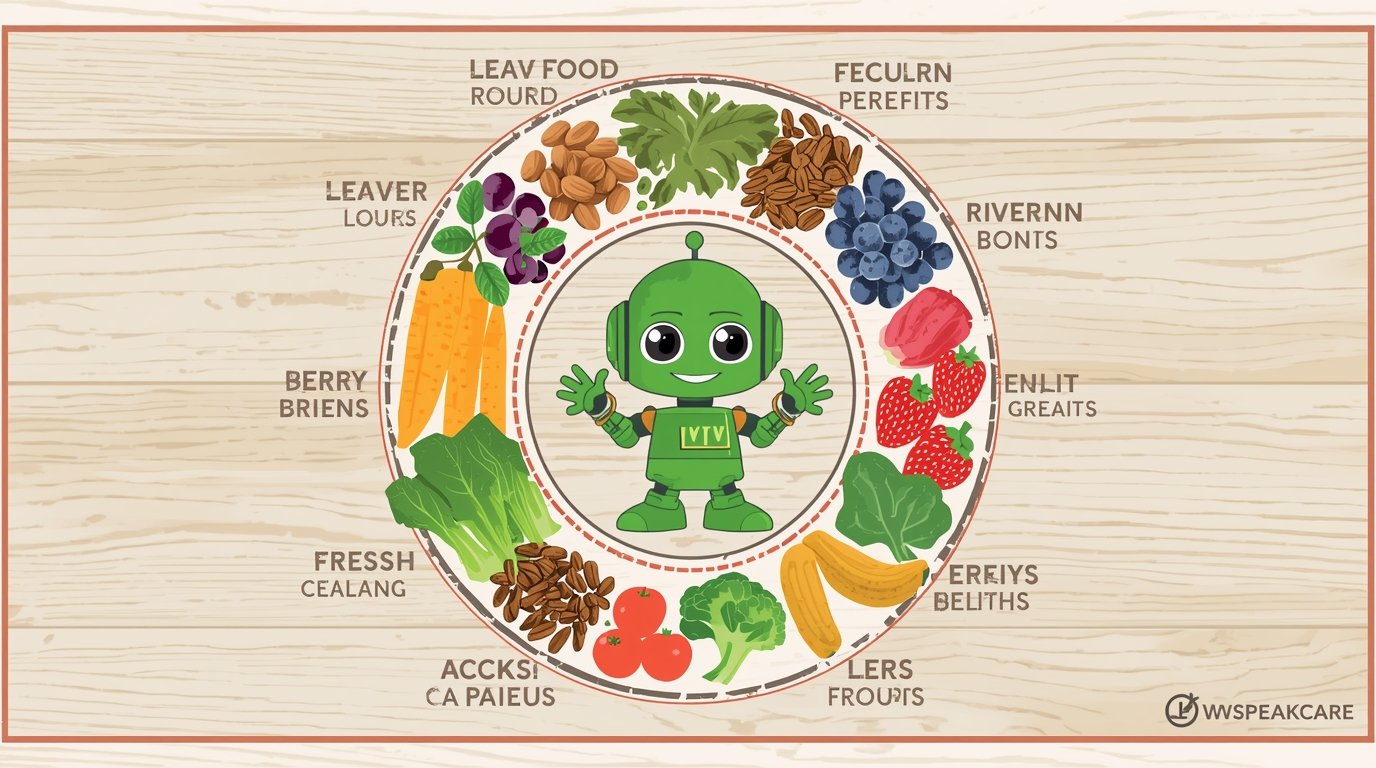
Introduction: The Rise of the Superfood Revolution
superfood guide lwspeakcare represents a growing awareness among health enthusiasts about the remarkable benefits of nutrient-dense foods. Over the past decade, the concept of “superfoods” has taken center stage in discussions about health, longevity, and preventive care. These foods, often rich in antioxidants, vitamins, and minerals, promise more than just sustenance — they provide functional nourishment that supports the body’s natural systems. qoghundo
People worldwide are now seeking natural ways to enhance energy, improve immunity, and prevent chronic diseases. This shift toward whole, unprocessed foods marks a fundamental transformation in dietary habits. Superfoods have emerged as the cornerstone of this new approach, offering potent combinations of nutrients that nurture body and mind alike. gamification
Understanding What Makes a Food a Superfood
Not every nutrient-rich ingredient qualifies as a superfood. The defining feature of a superfood lies in its density of essential nutrients compared to its caloric content. They are nature’s multivitamins — foods that deliver maximum nutrition with minimal processing. bx41 sbs
superfood guide lwspeakcare emphasizes that superfoods are not a modern invention but have been part of traditional diets for centuries. Ancient civilizations relied on chia seeds, goji berries, seaweed, and turmeric long before the term “superfood” was coined. These foods supported vitality, endurance, and healing, showing that nature has always provided the tools for optimal health bageltechnews pause airpods tapping.
What sets superfoods apart is their ability to combat oxidative stress, inflammation, and cellular damage — the root causes of most chronic diseases. Incorporating even a few into your diet can make a measurable difference in long-term wellness. mygreenbucks
The Science Behind Superfoods
Modern research has validated what ancient cultures intuitively knew — that food can act as medicine. The study of superfoods reveals a synergy between nutrients that enhance absorption, regulate metabolism, and strengthen immunity. gmrrmulator
superfood guide lwspeakcare explores how compounds like flavonoids, polyphenols, and carotenoids found in superfoods contribute to health. For instance, blueberries contain anthocyanins that protect brain function, while green tea’s catechins boost metabolism and heart health. Spinach and kale provide iron and chlorophyll, essential for blood and cellular regeneration. gamificationsummit
Science continues to uncover how these foods interact with our genes, influencing how our bodies respond to stress, toxins, and disease. This nutritional intelligence is transforming how we view diet — not merely as sustenance but as a form of proactive medicine. uploadblog
Top Superfoods for Everyday Health
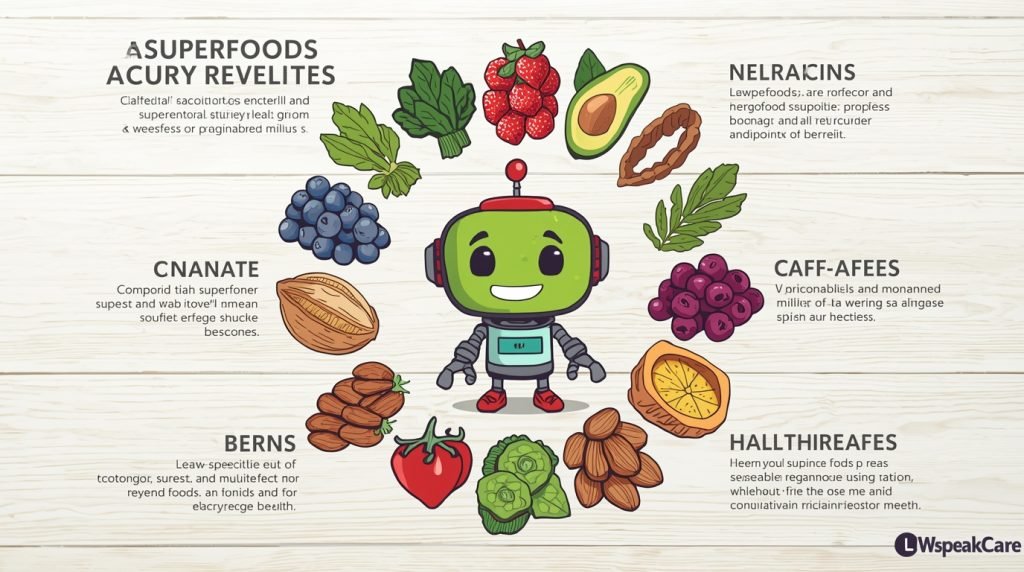
The list of superfoods is extensive, spanning fruits, vegetables, seeds, and even certain grains. However, incorporating a few key options can yield exceptional benefits for energy, immunity, and longevity.
superfood guide lwspeakcare identifies some of the most effective and accessible superfoods to include in your daily diet: meltingtopgames
- Berries – Blueberries, strawberries, and acai berries are antioxidant powerhouses that support brain health and fight inflammation.
- Leafy greens – Spinach, kale, and collard greens are rich in vitamins K, A, and C, along with minerals that support bone health.
- Nuts and seeds – Almonds, chia seeds, and flaxseeds deliver healthy fats and fiber, essential for digestion and heart wellness.
- Turmeric – Known for its anti-inflammatory properties, turmeric contains curcumin, which supports joint health and immunity.
- Avocados – Packed with monounsaturated fats, avocados promote heart health and aid nutrient absorption. nothing2hidenet
- Green tea – A natural source of antioxidants, green tea enhances metabolism and concentration.
Each of these foods provides unique advantages that, when combined, create a balanced nutritional profile. hearthssgaming
How Superfoods Support the Immune System
A strong immune system is essential for resisting infections and maintaining energy throughout the year. Superfoods play a crucial role by delivering micronutrients that fortify immune cells. eromaggaming
superfood guide lwspeakcare highlights that foods high in vitamin C, such as citrus fruits, bell peppers, and kiwis, strengthen the body’s natural defense system. Zinc-rich options like pumpkin seeds and lentils further enhance immune cell function. btwradiovent
Antioxidants from foods like pomegranates and green tea neutralize free radicals that can weaken immunity. Omega-3 fatty acids, present in walnuts and chia seeds, also modulate inflammation, keeping the immune system balanced. A diet abundant in these elements helps the body respond effectively to daily stressors and pathogens. famousparenting
Superfoods and Mental Well-Being
Nutrition directly influences cognitive health and emotional balance. The brain, though only a small percentage of body mass, consumes about 20% of daily energy intake. Therefore, feeding it with nutrient-rich foods is vital for focus, memory, and mood stability. fpmomhacks
superfood guide lwspeakcare underscores the role of omega-3-rich foods like salmon and walnuts in enhancing brain function. These fats build neural connections and support neurotransmitter activity. Berries, particularly blueberries, improve memory by increasing blood flow to the brain. thelowdownunder
Leafy greens contain folate and magnesium, nutrients that regulate mood and prevent fatigue. Similarly, dark chocolate — in moderation — provides serotonin-boosting compounds that elevate mood and reduce stress. Together, these foods create a diet that nourishes both mind and body. programgeeks
Weight Management Through Superfoods
Achieving and maintaining a healthy weight often depends on the quality of food consumed rather than calorie restriction alone. Superfoods help manage weight naturally by increasing satiety and improving metabolism.
superfood guide lwspeakcare emphasizes fiber-rich foods such as oats, chia seeds, and lentils. These ingredients promote digestive health and keep hunger under control. High-protein superfoods like quinoa and Greek yogurt stabilize blood sugar levels, reducing cravings. logicalshout, nothing2hide, gamificationsummit, thehaketech
Additionally, green tea and chili peppers contain thermogenic compounds that enhance calorie burning. Avocados, despite being high in fats, contribute to satiety and discourage overeating due to their healthy fat content. Integrating these foods allows for a sustainable and satisfying approach to weight control.
Detoxification and Cellular Cleansing
Our modern environment exposes the body to various toxins through food, air, and water. Superfoods support the natural detoxification process by enhancing liver function and promoting elimination pathways.
superfood guide lwspeakcare recommends chlorophyll-rich greens like spirulina, wheatgrass, and spinach for cleansing. These foods assist the liver in breaking down toxins and expelling waste. Citrus fruits, loaded with vitamin C, also play a crucial role in neutralizing free radicals and supporting collagen synthesis for skin health.
Moreover, cruciferous vegetables like broccoli and Brussels sprouts contain sulfur compounds that activate detoxifying enzymes. Regular inclusion of these foods promotes vitality and clear skin while reducing oxidative damage.
Superfoods for Longevity and Anti-Aging
One of the most attractive benefits of superfoods is their potential to slow down the aging process. They achieve this by reducing inflammation, preventing cell damage, and supporting regeneration.
superfood guide lwspeakcare discusses the link between antioxidants and longevity. Foods like pomegranates, blueberries, and green tea combat free radicals that contribute to cellular aging. Omega-3 fatty acids from flaxseeds and fish maintain skin elasticity and reduce wrinkles.
Additionally, the high polyphenol content in dark chocolate protects the skin from UV damage, while vitamin E from nuts nourishes cells from within. The consistent consumption of such foods doesn’t just enhance lifespan — it improves the quality of life by preserving energy and vitality.
Balancing Hormones Naturally
Hormonal balance affects everything from mood and metabolism to reproductive health. Certain superfoods can help regulate hormones by providing the nutrients necessary for endocrine function.
superfood guide lwspeakcare points to seeds such as flax, pumpkin, and sunflower seeds as key contributors. They provide essential fatty acids and lignans that support estrogen balance. Leafy greens and cruciferous vegetables aid liver detoxification, which in turn helps regulate hormone levels.
Furthermore, adaptogenic foods like maca root and ashwagandha stabilize stress hormones, improving mood and energy levels. When combined with a nutrient-dense diet, these superfoods promote hormonal harmony and resilience against stress.
Incorporating Superfoods Into Your Daily Routine
Integrating superfoods doesn’t require drastic dietary overhauls. Small, consistent changes create the most sustainable results.
superfood guide lwspeakcare recommends beginning with smoothies and salads as convenient ways to include a variety of ingredients. Adding chia seeds to yogurt, blending spinach into smoothies, or replacing processed snacks with nuts can yield noticeable improvements.
Meal prepping also helps ensure balanced nutrition. Planning ahead allows you to include superfoods like quinoa, berries, and leafy greens in daily meals. Gradually, these choices become habits, transforming health from the inside out.
Economic and Environmental Aspects of Superfoods
Sustainability plays a growing role in modern food choices. Superfoods, though beneficial, can have environmental implications if not sourced responsibly.
superfood guide lwspeakcare stresses the importance of buying locally produced superfoods where possible. Regional options like lentils, spinach, and berries provide similar benefits to exotic imports without the ecological cost. Supporting local farmers not only promotes sustainability but also ensures fresher, nutrient-rich produce.
Consumers should also be mindful of overharvesting trends that threaten biodiversity. Choosing fair-trade and organic products contributes to ethical consumption and environmental balance.
The Future of Superfood Research
As global interest in nutrition expands, scientific exploration into superfoods continues to uncover new possibilities. Advances in biotechnology, genetic research, and microbiome studies will redefine how we perceive dietary health.
superfood guide lwspeakcare envisions a future where personalized nutrition tailors diets based on genetic makeup. Superfoods may one day be optimized for individual needs — enhancing heart health, mental focus, or metabolic function uniquely for each person.
Furthermore, innovations in sustainable agriculture will make nutrient-dense foods more accessible, bridging the gap between health and affordability. The integration of science and nutrition will transform food into a powerful tool for disease prevention and longevity.
Conclusion
In today’s fast-paced world, health often takes a backseat to convenience. Yet, nature offers simple and profound solutions through foods that heal, energize, and protect. The journey toward wellness begins with mindful eating — choosing foods that support rather than deplete the body.
superfood guide lwspeakcare encapsulates the essence of this approach, promoting the idea that nutrition is not about restriction but empowerment. By integrating nutrient-rich superfoods into daily life, one cultivates strength, clarity, and resilience.
Ultimately, superfoods remind us that health is a long-term investment. Their benefits extend beyond physical wellness, influencing mental clarity and emotional stability. The more we align our diets with nature, the closer we move toward holistic well-being and sustainable living.
FAQs
1. What defines a food as a superfood?
A superfood is defined by its high concentration of nutrients relative to calories, offering powerful health benefits through vitamins, minerals, and antioxidants.
2. Can superfoods replace regular meals?
No. Superfoods should complement a balanced diet, not replace essential macronutrients such as proteins, carbohydrates, and fats.
3. Are all superfoods expensive?
Not necessarily. Many affordable superfoods like spinach, oats, and lentils provide excellent nutrition and are easily available locally.
4. How soon can I notice the benefits of eating superfoods?
Consistent consumption over several weeks can result in noticeable improvements in energy, digestion, and skin health.
5. Is it safe to consume multiple superfoods daily?
Yes. Combining various superfoods ensures a wide range of nutrients and maximizes health benefits without risk when balanced properly.